
Adult Catheterization Laboratory
Adult Catheterization Laboratory: Capabilities and Volume
The center has 7 adult catheterization laboratories and one hybrid room with advanced and high quality equipment. Many adult interventional cardiologists practice in various fields including complex coronary artery disease, structural and valvular heart disease, endovascular and peripheral arterial disease.
Expert neurointerventionists also focus on neurological interventions, supporting a wide range of advanced diagnostic and therapeutic services.
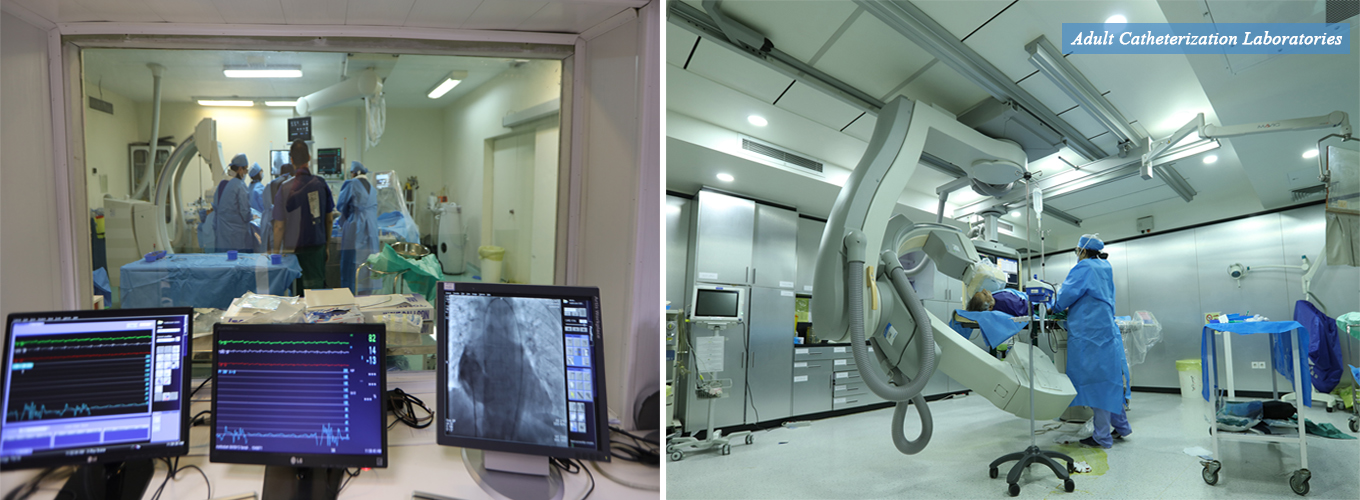
7 laboratories
1 room
About 17,000
About 11,000
Performed routinely for acute myocardial infarction.
Coronary, structural, peripheral, aortic and neurological interventions.
About 17,000 procedures for approximately 11,000 patients are performed each year in this center, representing a great number of diagnostic and therapeutic interventions. Percutaneous coronary intervention (PCI) for patients who develop acute myocardial infarction is an advanced and often lifesaving procedure performed routinely every day.
Advanced Interventional Procedures
Complex coronary intervention, structural heart intervention, aortic repair, peripheral arterial procedures, congenital heart disease interventions, heart failure catheterization and neurological interventions are among the advanced services performed in this center.
- PCI for coronary chronic total occlusion (CTO)
- PCI for left main coronary artery disease
- Transcatheter Aortic Valve Implantation (TAVI)
- Thoracic Endovascular Aortic Repair (TEVAR)
- Endovascular Aneurysm Repair (EVAR)
- Peripheral arterial disease interventions
- Adult congenital heart disease interventions
- Endomyocardial biopsy and catheterization for heart failure
- Advanced neurological interventions
Therapeutic intervention for patients with adult congenital heart disease can help many patients with these disorders. Endomyocardial biopsy and catheterization for heart failure support patients with heart failure. Interventions for neurological diseases are advanced procedures that aid patients with these disorders, especially by helping protect them from disabling situations.
Training and Fellowship Program
This center is a valuable setting for training interventional fellows because rare referral cases are managed in this tertiary cardiac care center. Each year, many eligible fellows are trained in this center from around the world. The program is an 18-month course covering A-to-Z interventional cardiology.