Rehabilitation
Cardiac Rehabilitation Department
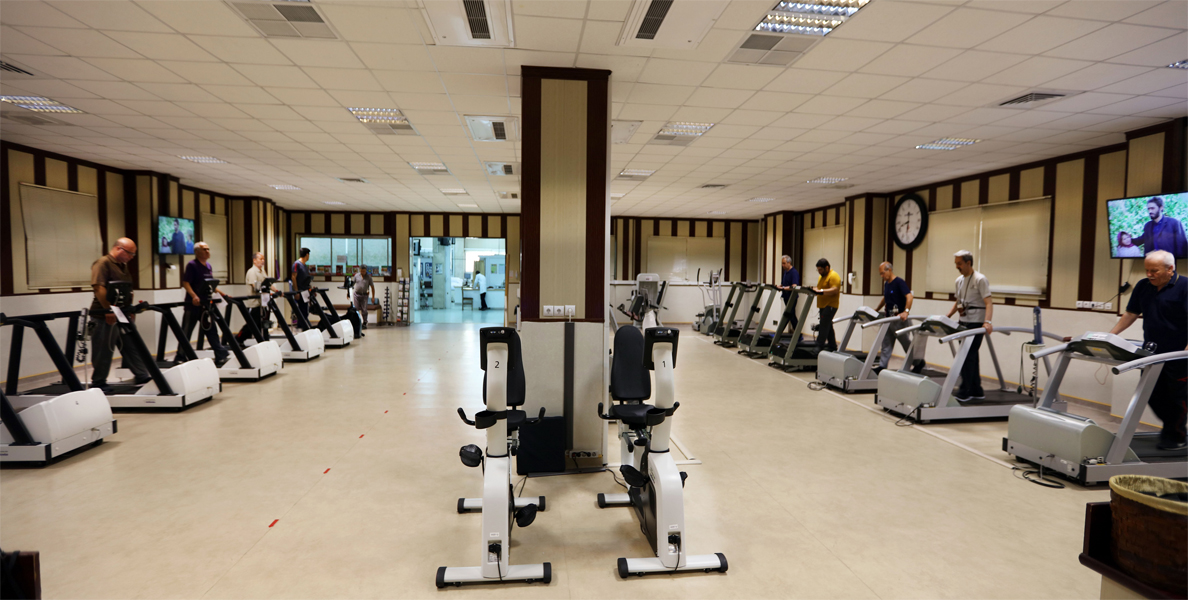
The Cardiac Rehabilitation Department is one of the most important wards of the center. It helps patients develop a healthy lifestyle, including exercise, improved nutritional habits, reduced emotional stress, and related recovery-focused practices. The department occupies spacious rooms with a soothing environment and advanced equipment.
Rehabilitation Phases and Patient Groups
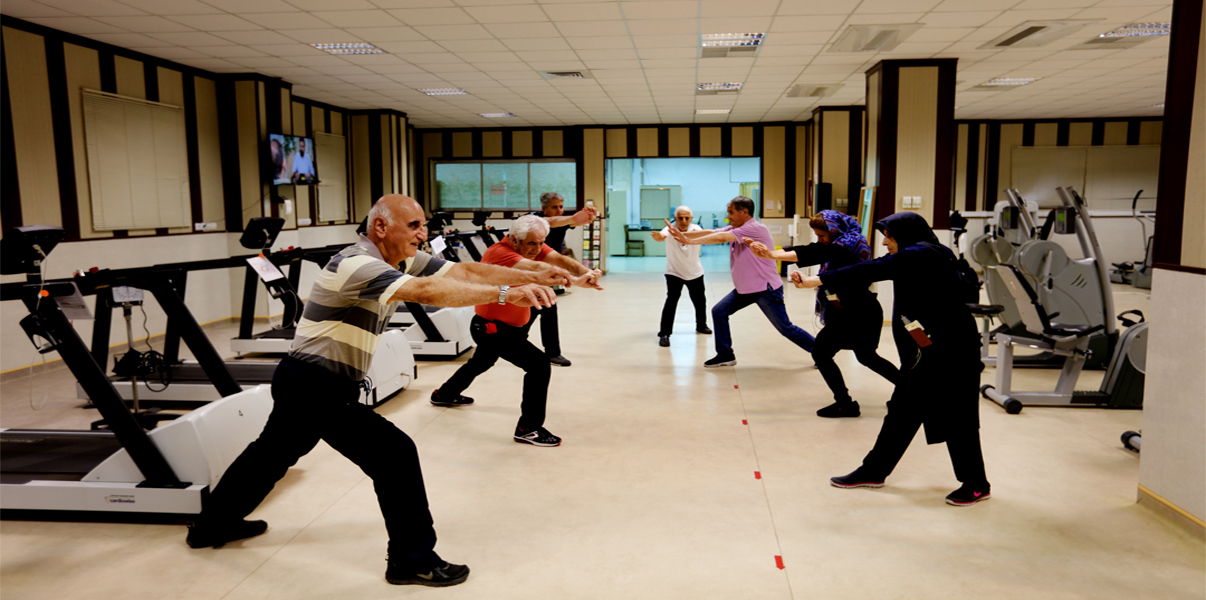
The treatment plan in the cardiac rehabilitation ward includes Phase I for inpatient consultancy and Phase II as a structured program. Long-term treatment includes Phase III and Phase IV, which can also be performed outside the hospital.
In Phase I, patients receive essential consultancy on the last day of admission. Most patients have ischemic heart disease and have undergone CABG or PCI, or they have heart failure. Other patient groups include heart transplant, valvular disease, and peripheral vascular disease patients.
Phase I Team and Consultancy
Improving eating habits through nutrition consultancy
Learning to control emotional stress
Managing depression and anxiety
Starting physical activity under clinical guidance
Patients are then referred to the doctor for reevaluation of physical health, exercise testing, and planning for hospital-based exercise. Paraclinical tests and evaluations are ordered if necessary.
Enhanced External Counterpulsation (EECP)
Another treatment performed in the cardiac rehabilitation ward is EECP. This is a suitable option for patients with ischemic heart disease who are not good candidates for CABG or PCI.
EECP includes 35 sessions and aims to stimulate the recruitment of collateral vessels in ischemic hearts. Before treatment begins, essential evaluations such as color Doppler sonography of the lower limbs to rule out deep venous thrombosis and abdominal sonography to rule out aortic aneurysm should be performed.
With this treatment, patient symptoms may improve and remain controlled for 3 to 5 years, and the treatment can be repeated if needed. Patients with pacemakers, ICD, or irregular rhythms are not good candidates for EECP.